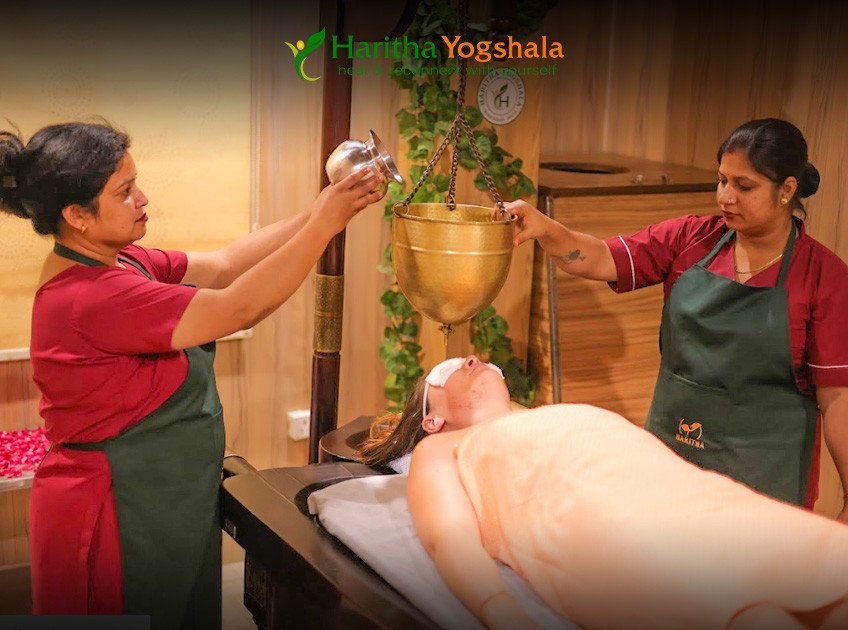

A Panchakarma journey is not just a study program - it is an deep immersion of Ayurvedic purification and healing. Pupils enrolling in a Panchakarma diploma course, very soon realise that the education far surpasses the therapeutic methods and techniques. One needs to comprehend the physical body, the psyche, and the minute changes to grasp that properly conducted natural detoxification is what is happening. The faculty often turns into their own metamorphosis alongside becoming a Panchakarma diploma holders.
Such a curious thought, if you have ever, about what really goes on during the training here is a sneak peek of the students' actual learning.
Students first immerse themselves into the philosophical origin of Panchakarma before any manual work is done. They understand that detox is not merely a physical purification but a transformation that changes the body-mind system entirely. Toxins, teachers say, pile up through lifestyle, stress, emotions, and bad digestion - and through what means does classical Ayurveda cleans the body with exactness and gentleness.
Such a grounding knowledge enables students to view Panchakarma as a well-organized, healing experience rather than a rapid solution. Moreover, it provides the background to each method that they will subsequently carry out in the Panchakarma retreat environment.
Essentially, the understanding of the five main cleansing therapies that constitute Panchakarma is one of the key aspects of the training. The learners figure out how these treatments operate, the reasons for each being prescribed, and the ailments that relieve. They memorize the Sanskrit terms and ancient recipes, but the actual learning is by seeing, hearing, and doing under the supervision.
With guidance from skilled instructors, students get to know the different stages of cleansing and how they affect digestion, immunity, mental/emotional balance, and general strength. Such advanced comprehension becomes the main support of their future work as a therapeutic practitioner.
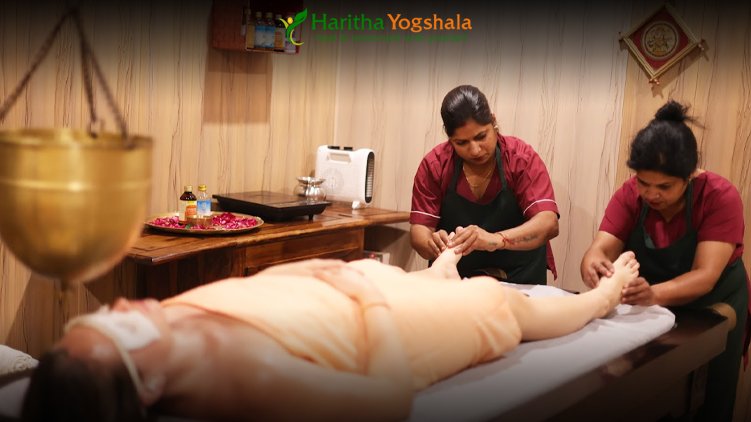
The body needs to be prepped before Panchakarma can be started. Students are taught the therapies Snehana (oleation) and Swedana (herbal steam), which are two necessary preparations that loosen the toxins and bring them to the blood for a mild way of getting rid of them. It is a very important stage, and mastering the right execution of the therapies turns out to be the most precious skill in the diploma program.
Students additionally witness the differences in the clients’ reactions and thus, they get knowledge on how to modify the changes in weight, temperature, oil, and time. The confidence required for working on their own after the completion of the diploma in Ayurveda Panchakarma is thus, being developed.
A robust Panchakarma regimen is far from just being about the different techniques. Students get to know Ayurveda as a system of life which also explains the body in terms of doshas, dhatus, srotas, agni, and manas. Instructors bring clarity to the way symptoms are read, imbalances are comprehended, and therapies are suggested by the students.
This education enables them to identify individuals who are fit for Panchakarma and those who maybe need some lifestyle changes as a preparation. Gradually they become able to craft therapeutic journeys tailored to each individual's needs - a skill that is of utmost importance for those who intend to practice in a clinic or at a reputed Panchakarma center.
Many students are surprised to learn how deeply emotions are connected to cleansing. Panchakarma is known for releasing mental tension, stored emotions, and old patterns that the body has been holding onto for years.
Here is the one short bullet list section for clarity:
This emotional understanding is what makes a graduate not just skilled, but empathetic and trustworthy.
Clinical exposure is vital as each client is unique. There are clients who have to be detoxified slowly and gently; while there are also those who need a more profound cleansing. Students obtain direct insight into the manner in which a seasoned practitioner modifies treatment plans delicately and accurately.
Such on-the-job training reveals to them the essence of the traditional Indian medical system, which is a harmonious integration of discipline, intuition, and empathy.
Nearly every student who enrols in a Panchakarma diploma course undergoes some kind of transformation. Such factors as living in an Ayurvedic environment, eating sattvic meals, waking up early, meditating, and following the natural rhythms influence both mind and body. Quite a few find that their digestion becomes better, their thoughts become calmer, and their stress level decreases. They start to embody the principles they are learning which makes them more effective practitioners in the future.
Students frequently share that their greatest learning is not only the study content but the change in their personality by the end of the journey.